
The Punisher: One Last Kill
April 13, 2026
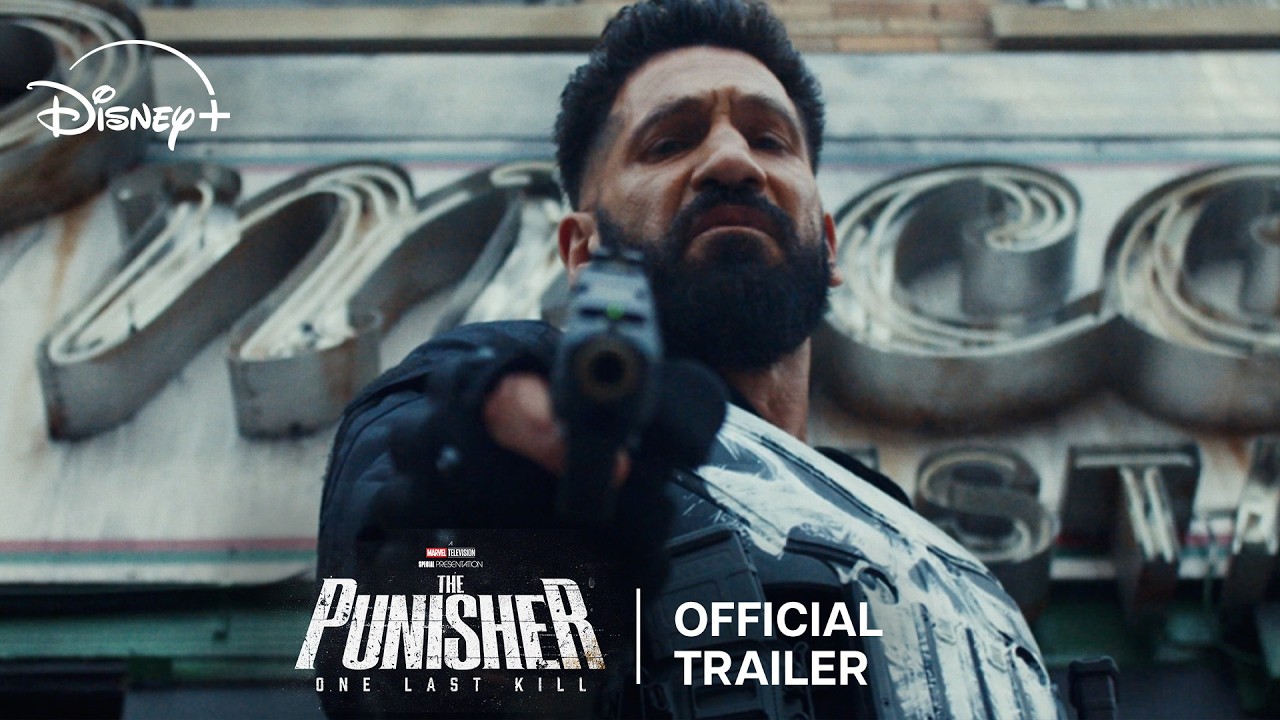
Watch movie:

*Hosted on partner site
The Punisher: One Last Kill (2026) delivers a gripping and uncompromising continuation of Frank Castle’s story, placing the character in his most emotionally volatile and morally complex chapter yet. With Jon Bernthal returning to the role that redefined the antihero for a modern audience, the film dives deep into the psychological cost of a life built on violence, presenting a narrative that is as introspective as it is brutally explosive.
At its core, the film is not just about war against crime—it is about the war within. Frank Castle has always been a man defined by loss, driven by a singular purpose that leaves little room for anything else. In this installment, however, that purpose begins to fracture. Attempting to disappear and leave behind the relentless cycle of bloodshed, Frank finds himself pulled back into conflict when a powerful and merciless criminal organization emerges, threatening innocent lives and forcing him to confront the very instincts he has tried to suppress.
What begins as a seemingly straightforward mission quickly spirals into something far more personal. The narrative unfolds like a descent into memory and guilt, with each confrontation serving as both a physical battle and a psychological reckoning. The film skillfully intertwines past and present, using flashbacks and emotional triggers to reveal the depth of Frank’s internal struggle. Every shot he fires carries weight, not just in its immediate impact, but in the echoes of everything he has lost and everything he can never reclaim.
The action sequences remain a defining feature of the film, executed with raw intensity and grounded realism. Unlike stylized or exaggerated combat often seen in the genre, the violence here feels immediate and consequential. Each fight is brutal, efficient, and deeply personal, reflecting Frank’s state of mind. There is no glory in these moments—only survival, necessity, and the grim understanding that every act of violence comes at a cost. This grounded approach enhances the emotional stakes, making every encounter feel significant rather than purely spectacle-driven.
Jon Bernthal’s performance stands at the center of the film’s impact. His portrayal of Frank Castle is layered with rage, exhaustion, and vulnerability, capturing a man who is both unstoppable and deeply broken. He brings a quiet intensity to the role, allowing moments of silence and reflection to speak as loudly as the explosive action. Through his performance, the audience witnesses a character grappling with identity—questioning whether he is a force for justice or simply a product of endless vengeance.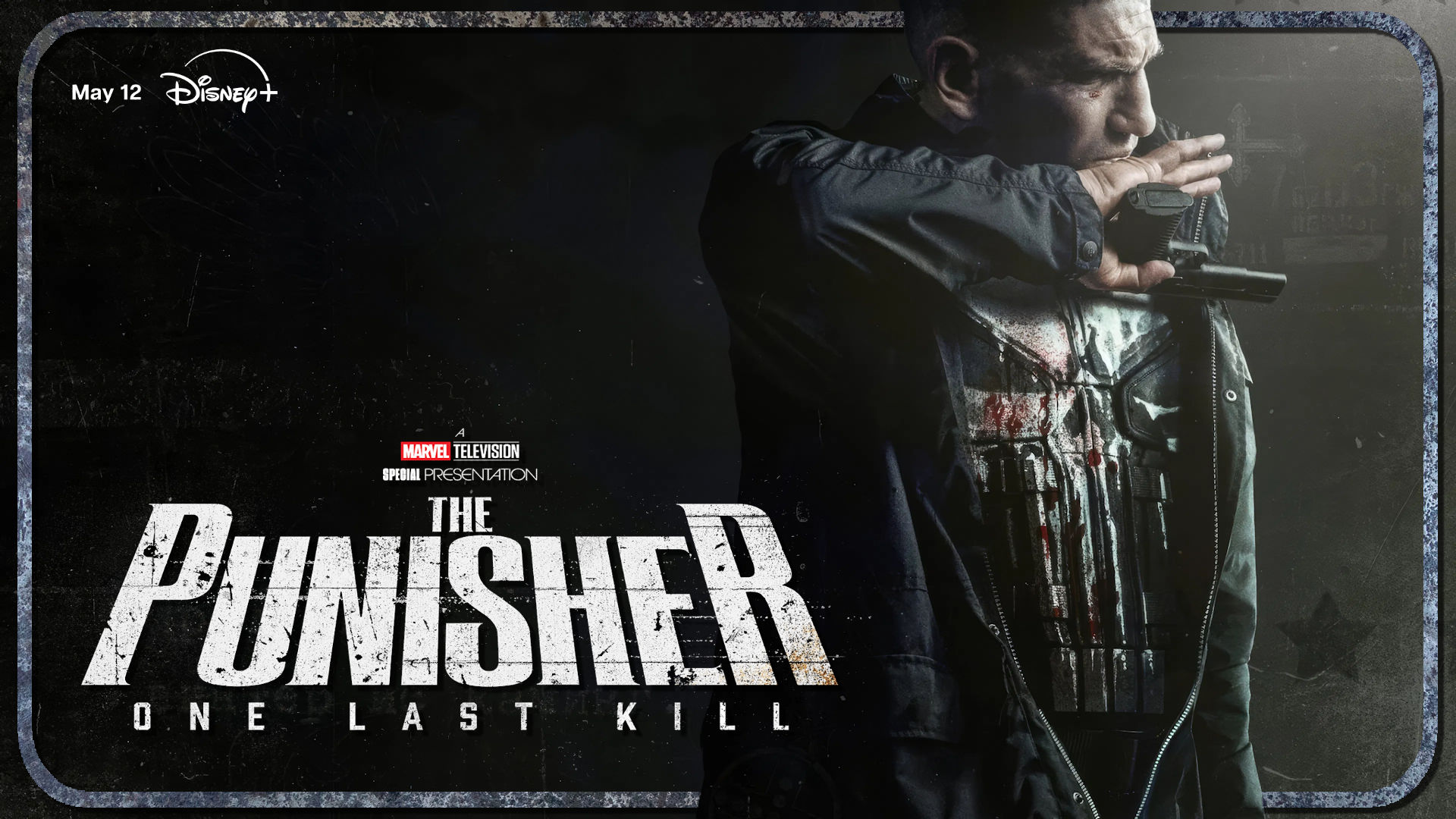
The supporting characters add further complexity to the story, acting as mirrors to Frank’s internal conflict. Some represent the possibility of redemption, urging him to step away from the path he has chosen, while others embody the darkness he cannot escape. These interactions create a constant tension, reinforcing the idea that Frank’s greatest enemy may not be the criminals he hunts, but the part of himself that refuses to let go.
Visually, the film adopts a gritty and subdued aesthetic that complements its tone. Dark, shadow-filled environments dominate the screen, emphasizing isolation and moral ambiguity. The cinematography avoids glamorizing violence, instead presenting it in a way that underscores its consequences. The result is a world that feels harsh, unforgiving, and painfully real—a fitting backdrop for a story about a man who exists on the edge of humanity.
Ultimately, The Punisher: One Last Kill is a powerful exploration of identity, consequence, and the impossibility of escape from one’s past. It challenges the audience to consider the true cost of justice when it is pursued without restraint, and whether redemption is possible for someone who has lived so long in the shadows. As Frank Castle reaches what may be the end of his journey, the film delivers a conclusion that is both haunting and deeply resonant.
This is not just another chapter in a story of vengeance. It is a final confrontation with the truth—a realization that some battles are never meant to be won, only endured.