
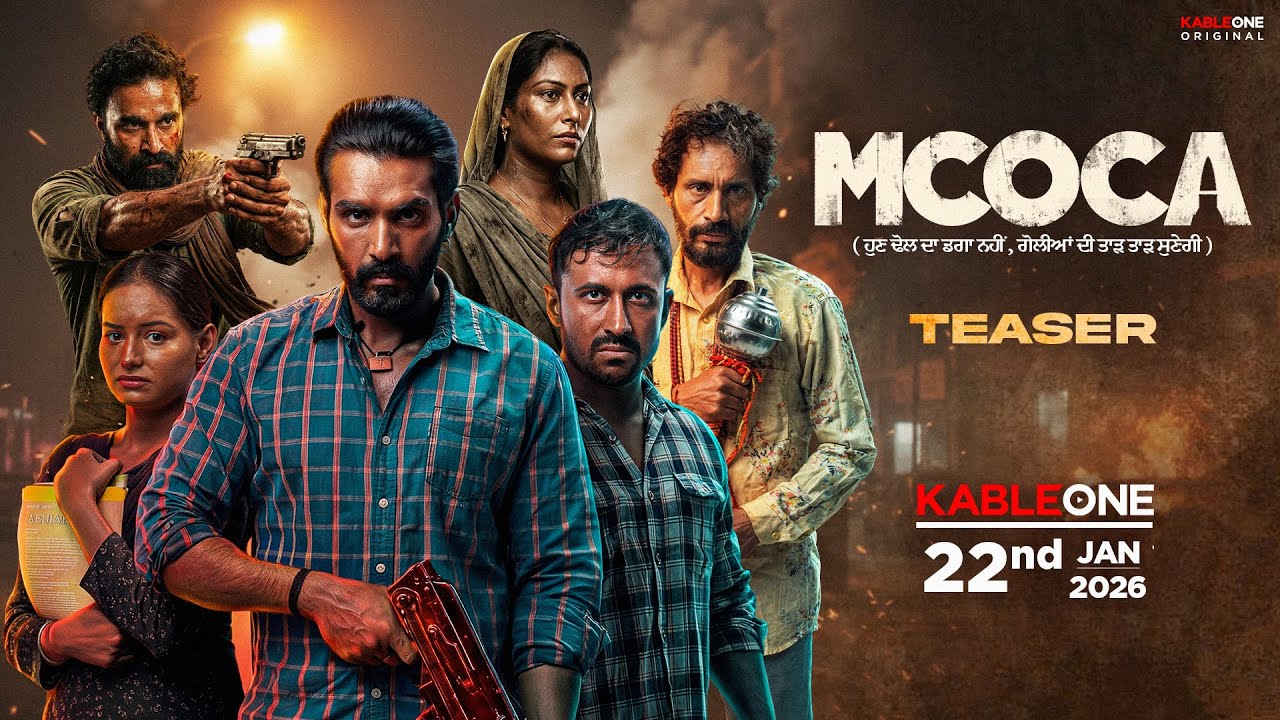


Randeep Hooda brings complexity and depth to his role as a powerful figure within the underworld — strategic, composed, and disturbingly rational. He is not driven by chaos, but by control. To him, crime is structure, hierarchy, and survival. As pressure mounts, his calculated calm begins to crack, revealing a man who understands that the real war is not fought on the streets, but in boardrooms and back-channel negotiations.
The film escalates from covert surveillance operations to high-risk undercover infiltration, where identities blur and loyalties fracture. Informants vanish without a trace. Trusted officers fall under suspicion. Political interference tightens like a noose. What begins as a legal operation transforms into a psychological battle, forcing Devgn’s character to question how far he is willing to go in a system designed to protect the powerful rather than punish them.
Visually gritty and emotionally intense, MCOCA (2026) balances explosive action with layered storytelling. The narrative does not simply showcase crime — it examines the personal toll of enforcing the law in an environment where morality is constantly compromised. It explores themes of duty, sacrifice, betrayal, and the haunting cost of integrity.
At its core, MCOCA asks a dangerous question: when the system itself is corrupted, can justice truly exist — or does it demand becoming something equally ruthless?
With commanding performances, sharp direction, and a storyline rooted in realism, MCOCA (2026) stands as a gripping portrayal of power, consequence, and the thin line separating justice from vengeance.